Computational Approaches to
Material Design
Electrochemical Energy & Sustainable Materials Lab @ University of Macau
About Us

Our research group focuses on computational materials science, aiming to understand, discover, design, and modify novel inorganic solid materials through computation. By combining artificial intelligence algorithms with various materials computation methods, we can establish an in-depth fundamental understanding of the core structure-property relationships in materials science from the microscopic atomic scale, and discover and design new materials that meet practical application requirements through high-throughput computation and data mining.
Research
Aqueous Zinc Batteries
Electrolyte engineering, separator design, Zn-metal interfaces, and practical cell configurations.
Redox Flow Batteries
Solvation regulation and application-driven electrolyte design for stable, efficient flow batteries.
Lithium-Ion Battery Materials
Prelithiation chemistry, diagnostic strategies, degradation analysis, and practical cell solutions.
Sustainability & AI
Atmospheric water harvesting, waste upcycling, and AI-guided electrochemical research.
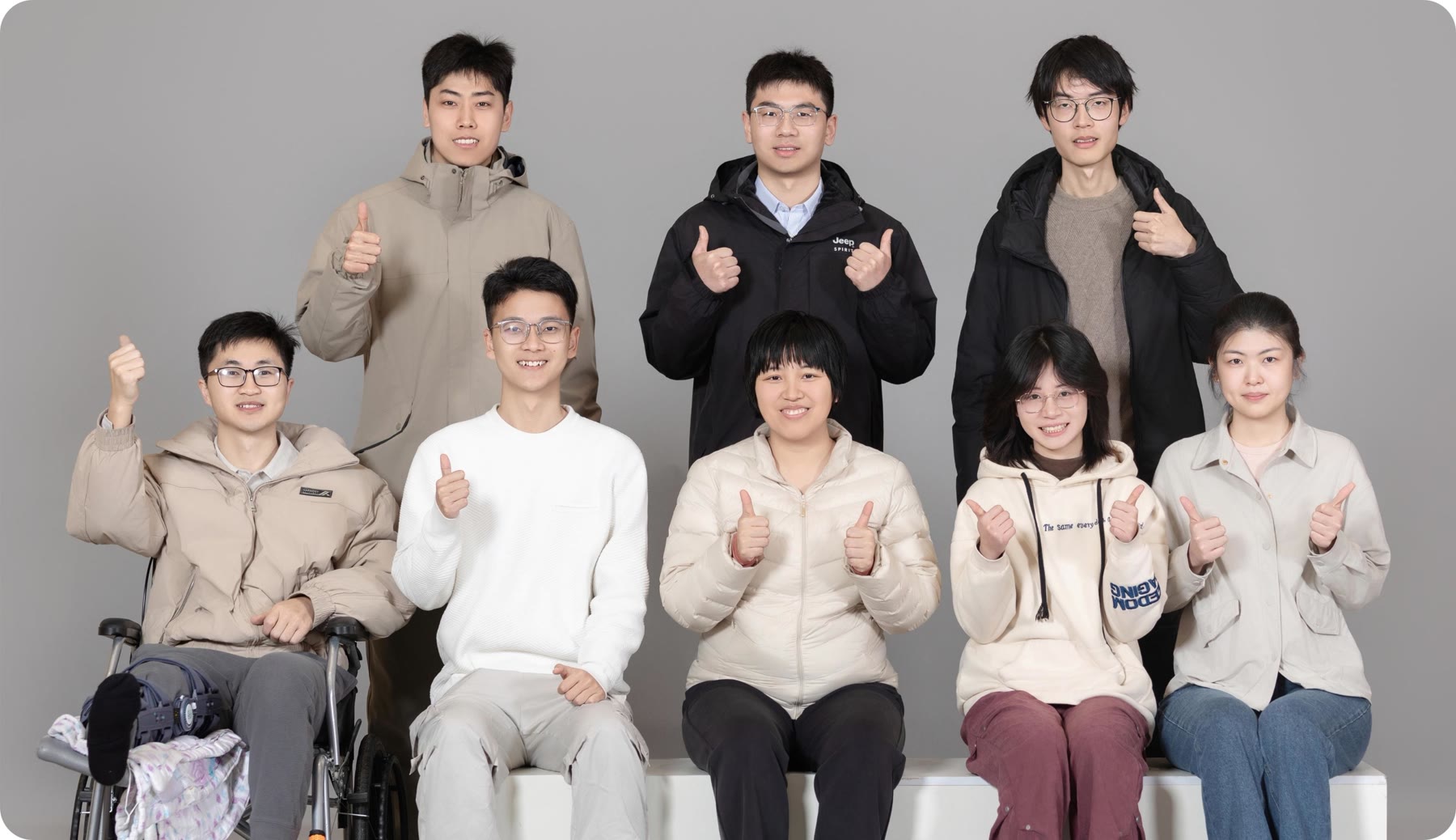
Our Team

Qing Li
Assistant Professor & PhD Supervisor
Institute of Applied Physics and Materials Engineering, University of Macau
Dr. Qing Li leads research in advanced electrochemical energy storage, with particular interests in aqueous zinc batteries, electrolyte engineering, interfacial chemistry, and battery materials.
She has over two years of industrial R&D experience in battery technologies, connecting fundamental research with practical applications. Her projects are supported by the National Natural Science Foundation of China, the University of Macau, and industrial partners.
She has published over 80 peer-reviewed papers in journals including Nature Communications, Science Advances, Joule, Angewandte Chemie International Edition, and Advanced Materials.
Members

Xizhe Zhang
Ph.D. Student
M.S. in Applied Mechanics, Zhejiang University (2020-2023)
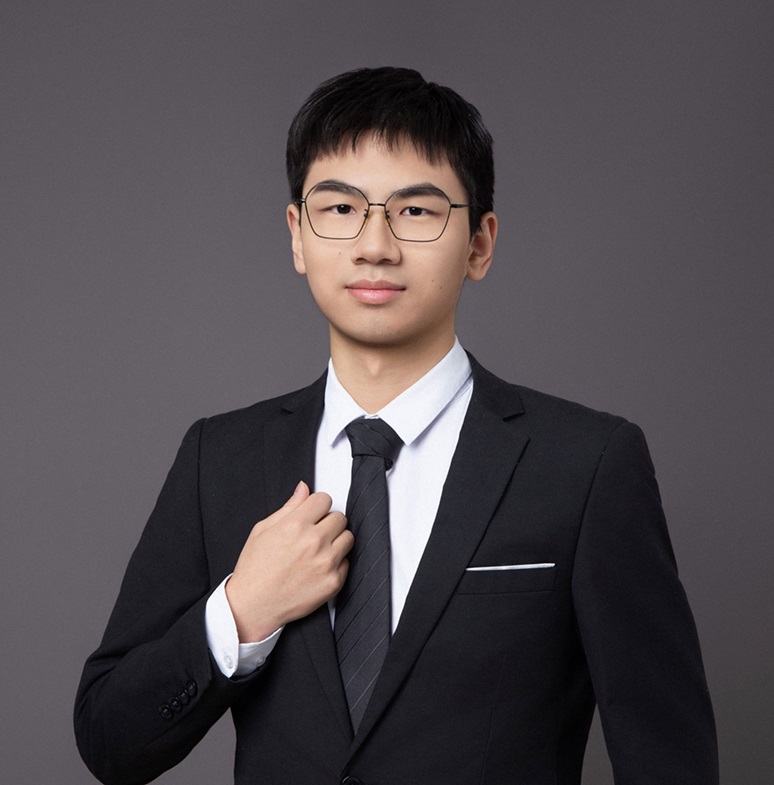
Zihan Yan
Ph.D. Student
B.S. in Microelectronics Science and Engineering, Yangzhou University (2019-2023)
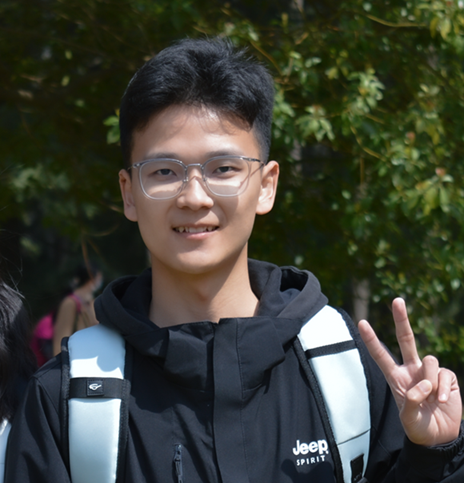
Boyi Situ
Ph.D. Student
B.S. in Microelectronics Science and Engineering, Yangzhou University (2020-2024)
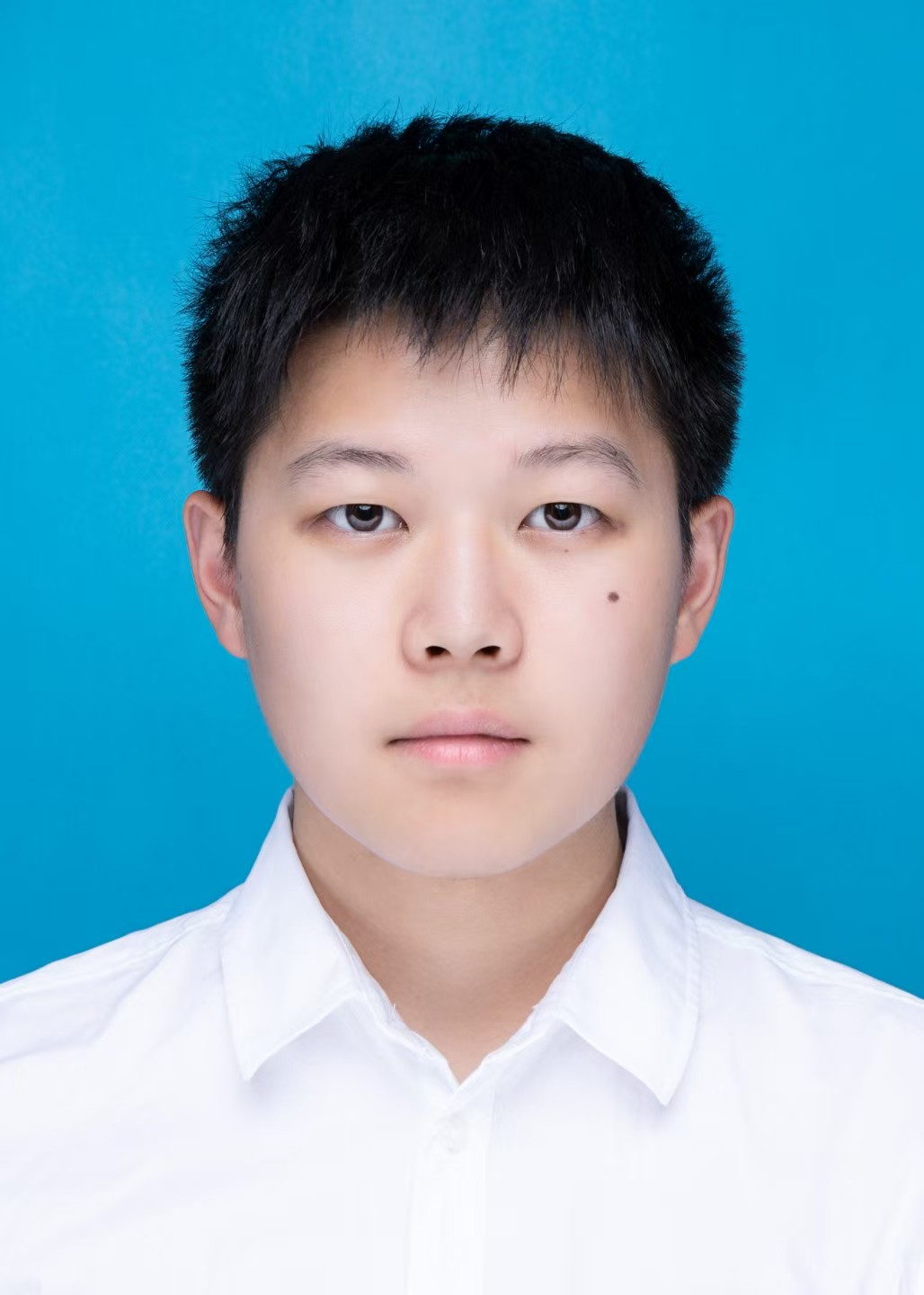
Yiyi Kong
Ph.D. Student
B.S. in Material Science and Engineering, Huazhong University of Science and Technology (2022-2026)
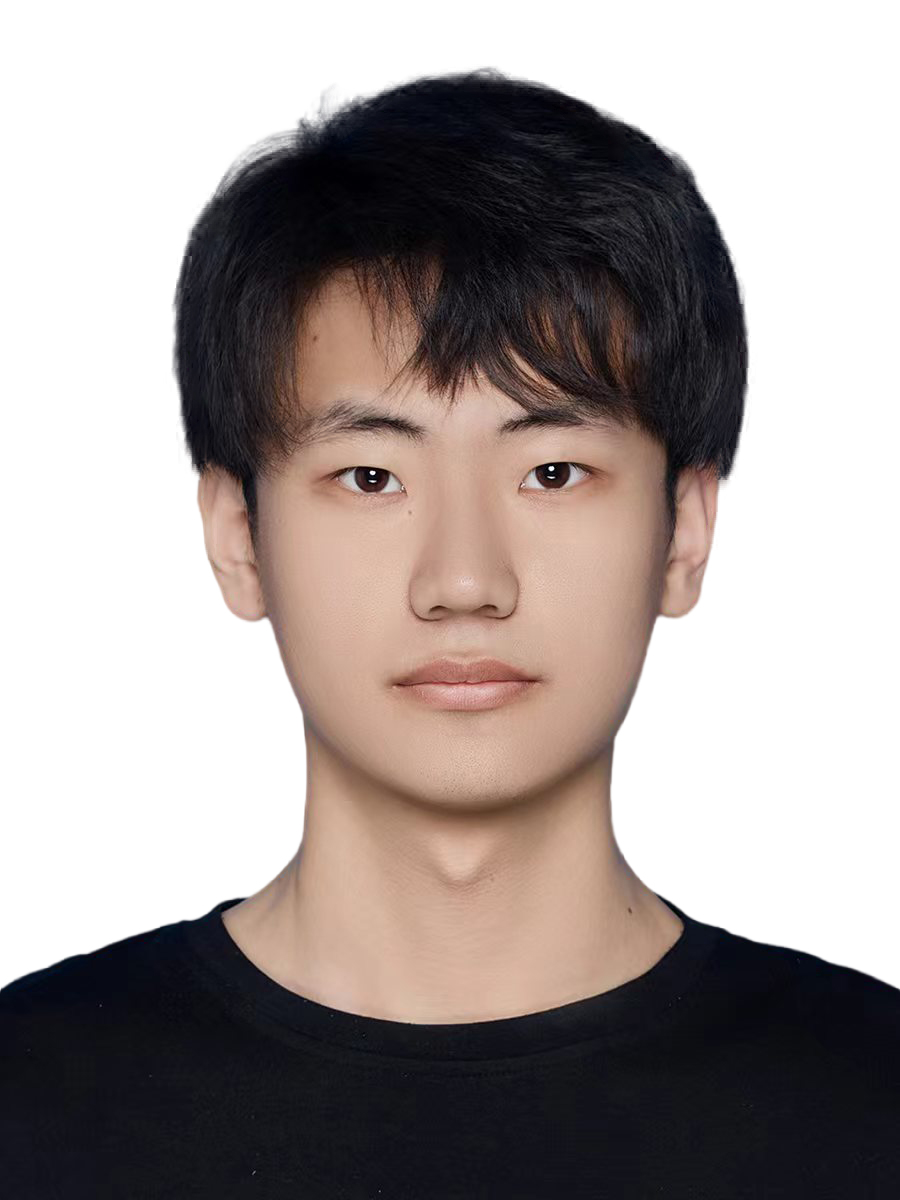
Zhengqi Liu
Ph.D. Student
B.S. in Chemical Engineering and Technology, Harbin Institute of Technology (2020-2024)
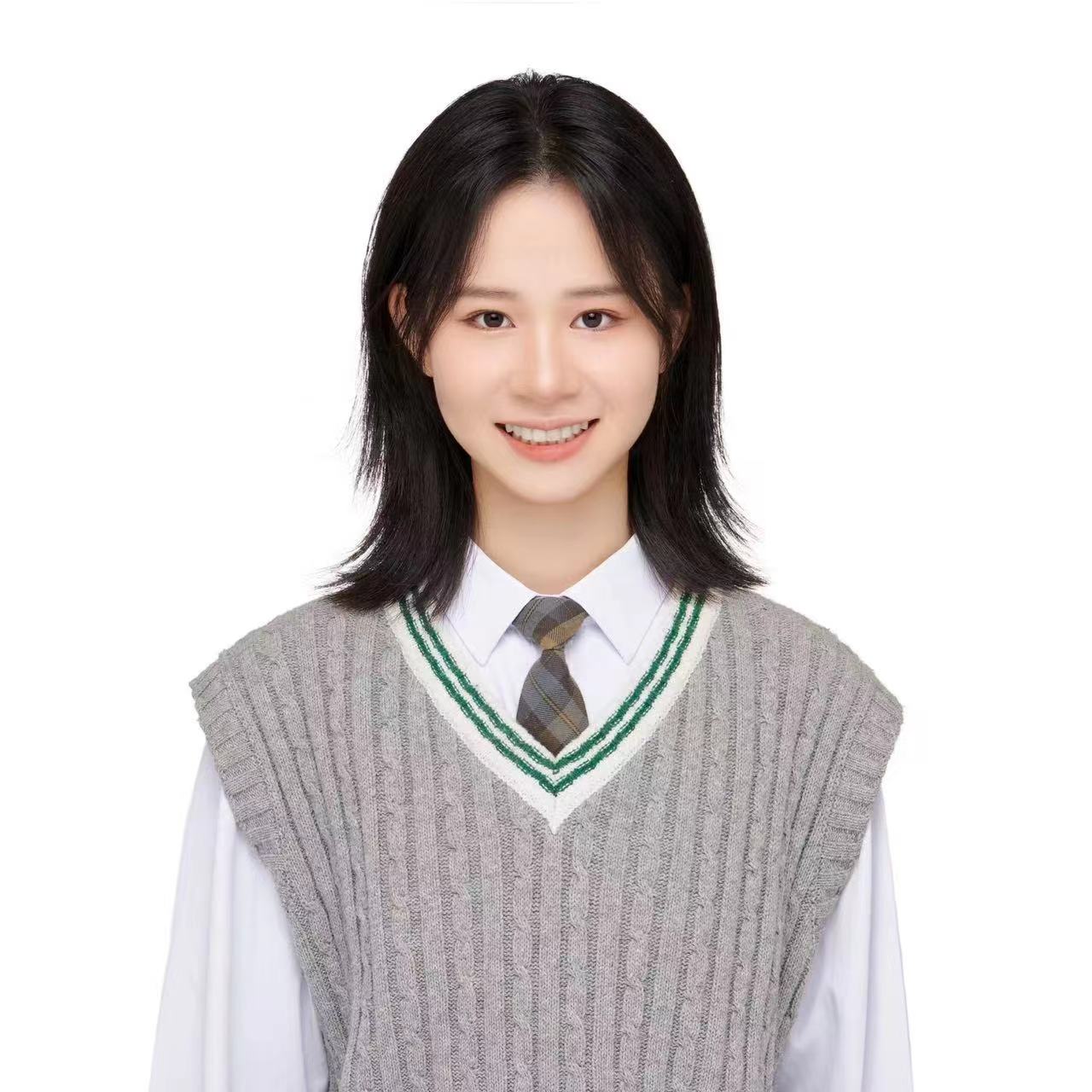
Xinlin Wang
Undergraduate Student
Undergraduate Student, Westlake University (2023-Present)